
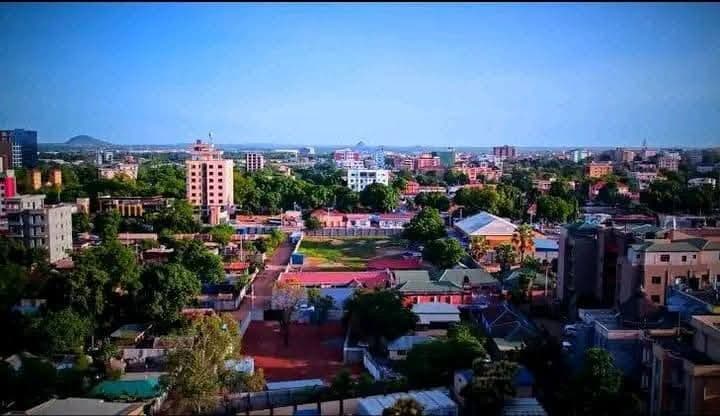
Introduction: The Urgent Need for Affordable Housing.
Affordable housing in South Sudan has become a central topic in the nation’s urban development agenda. As cities such as Juba, Wau, and Malakal continue to experience rapid migration, the demand for safe, accessible, and affordable homes far exceeds the current supply. The rising population, coupled with growing economic aspirations, has placed enormous pressure on the availability and quality of housing in South Sudan’s real estate sector.
While the country is still recovering from years of instability, the yearning for urban growth and modern living remains strong. This huge gap between supply and demand presents both challenges and opportunities. Understanding these dynamics is crucial for policymakers, developers, investors, and everyday citizens seeking to secure a stable future.
The Realities of Housing in South Sudan.
1. Urban Migration and Population Pressure.
Urban migration is one of the greatest contributors to the housing crisis. Thousands of South Sudanese move from rural areas to cities every year in search of employment opportunities, better education and improved lifestyles. Juba alone faces annual population growth rates significantly higher than the national average.
This has resulted in:
- Overcrowded informal settlements.
- Rising rental prices in Juba and major towns.
- Increased demand for small, low-cost housing units.
- Pressure on existing infrastructure and land systems.
This intense migration shows why affordable housing in South Sudan is no longer a simple social need but a critical economic issue.
2. The High Cost of Construction Materials.
Construction costs remain extremely high in South Sudan. Many building materials including cement, steel, roofing sheets and finishing productsare imported from Kenya, Uganda, Ethiopia or even overseas. Transportation, import duties, poor roads and inflation worsen these expenses.
As a result:
- Developers pass the added costs onto buyers and tenants.
- Prices for a standard two-bedroom house surpass many household incomes.
- Even low-cost housing projects become expensive to build.
This makes affordable housing development difficult for both private investors and the government.
3. Limited Access to Land and Unclear Ownership.
Land issues are among the biggest barriers to affordable housing. Although South Sudan has abundant land, accessing it in major urban centers remains complicated due to:
- Customary land ownership systems.
- Conflicting claims on the same plot.
- Lack of registered land titles.
- Slow or unclear documentation procedures.
- Limited urban planning in newer neighborhoods.
The land ownership system in South Sudan often makes it difficult for developers to acquire secure plots for large-scale housing projects.Land disputes delay construction and discourage investment, further widening the housing gap.
4. Inflation and Unstable Income Levels.
Economic instability has made it difficult for many households to rent or buy homes. High inflation increases the cost of living, reducing disposable income and making mortgage qualification nearly impossible.
This leads to:
- Increased demand for very low-cost rental units
- Overcrowding in multi-family homes.
- A rising number of informal structures.
- Decline in housing quality.
Without affordable financial solutions, the real estate market remains inaccessible to the average citizen.
5. Limited Financial Support and Mortgage Systems.
South Sudan lacks a strong, accessible mortgage system. Banks offer loans at high interest rates, and most people lack the documentation required for long-term financing.
The absence of:
Affordable mortgage products
Housing cooperatives
Rent-to-own programs
Government-backed housing finance systems
This makes homeownership difficult for many working families.
Opportunities and Potential Solutions.
Despite the obvious challenges, the future of affordable housing in South Sudan carries tremendous potential. The market is underserved, the demand is strong and investors have an opportunity to build long-term value.
Below are some practical solutions and strategies.
1. Promoting Public-Private Partnerships (PPPs).
To bridge the housing gap, collaboration between government institutions and private developers is essential. Public-private partnerships can:
- Provide developers with land at subsidized rates.
- Offer tax incentives to encourage low-cost construction.
- Stimulate large-scale housing projects.
- Improve infrastructure for new neighborhoods.
Such partnerships have transformed housing sectors in countries like Rwanda, Kenya, and Ethiopia—and South Sudan can apply similar models.
2. Implementing Affordable Building Technologies.
Modern construction technologies offer faster, cheaper, and more sustainable building alternatives such as:
- Prefabricated housing.
- Interlocking bricks.
- Stabilized soil blocks.
- 3D-printed construction technologies.
- Fibre-cement materials.
These methods significantly reduce construction costs, making housing more accessible to low- and middle-income households.
3. Strengthening Urban Planning Initiatives.
Proper urban planning is vital for creating functional and affordable cities. South Sudan can focus on:
- Zoning residential areas.
- Creating well-planned satellite towns.
- Expanding road networks.
- Developing new water and electricity systems.
- Building public transport routes.
A well-planned city attracts investors and reduces construction complexity.
4. Establishing Government Housing Funds and Subsidies.
The government can support the housing sector through:
- Subsidized housing schemes.
- Interest-free or low-interest loans.
- Special funds for low-income housing.
- Tax waivers for affordable developers.
Such interventions are common solutions used in many developing economies.
5. Encouraging Cooperative Housing Models.
Cooperative housing is an effective strategy in countries where income levels are inconsistent. Groups of individuals can pool resources to acquire land and build homes at reduced costs.
This model is particularly effective for:
- Civil servants.
- Young professionals.
- Teachers and medical workers.
- Private companies with large staff.
- Community associations.
Cooperatives also guarantee long-term affordability.
6. Supporting Local Material Production.
Encouraging local manufacturing of building materials would dramatically reduce costs. Incentives to local producers would help:
- Create jobs.
- Lower construction costs.
- Increase accessibility.
- Reduce reliance on imports.
This is a long-term but transformative solution.
Looking Ahead: The Future of Affordable Housing in South Sudan.
The future of urban development in South Sudan relies heavily on solving the housing crisis. With the right interventions policy reforms, modern construction methods, private-sector incentives and proper urban planning, the nation can unlock a wave of growth not only in real estate but also in employment, infrastructure and overall economic stability.
South Sudan is young, rapidly developing and full of potential. As the population continues to rise and urban centers expand, the real estate sector holds one of the greatest opportunities for growth.
Affordable housing is not just a structural need, it is the foundation of sustainable urbanization, human dignity and economic progress.
Conclusion.
The journey toward solving the affordable housing shortage in South Sudan is complex but achievable. The challenges like high construction costs, land access barriers, weak housing finance and rapid urban migration are real and urgent. However, opportunities for transformation are equally strong.
By embracing innovative technologies, promoting public-private partnerships, improving land governance and expanding financial access, South Sudan can reshape its urban landscape and provide dignified housing for millions.
The country stands on the brink of a new era of development. Affordable housing will play a significant role in defining that future, one neighborhood, one community, and one family at a time.