
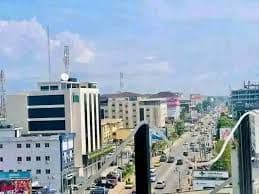
Housing & Land Property in Urban Development in South Sudan.
Urban development in South Sudan is shaping the future of cities as population growth, economic activity and migration patterns push major towns toward modernization. Juba, Wau, Bor, Malakal, and Yei are transforming rapidly as demand for housing in South Sudan, land for sale in Juba and modern real estate in South Sudan continues to rise.
As the country rebuilds and stabilizes, the need for organized settlements, titled land, and structured housing becomes central to national development. Urban landscapes are shifting from informal growth to planned expansion driven by investors, developers, and families seeking secure and well-located spaces.
The Changing Face of Urban Development.
Cities across the country are expanding with new residential blocks, commercial centers, paved roads, and public services emerging steadily. The push toward organized growth reflects the increasing demand for affordable housing in South Sudan and properly planned residential zones in areas such as Gudele, Munuki, Tongpiny, Jebel, and Gumbo-Sherikat.
Urban migration is accelerating as people move into towns for work, business and better living standards. This shift continues to influence the surge in houses for rent in Juba, plots for sale in South Sudan and mid-range apartments built to accommodate young families, professionals, and returning diaspora.
Housing Demand in Growing Urban Centers.
Demand for housing is increasing across all income levels. Families look for affordable houses for sale in South Sudan, NGOs and international staff seek serviced apartments, while middle-income residents prefer structured apartments with reliable water and power.
Popular housing categories include:
- Stand-alone homes in secure neighborhoods.
- Multi-unit apartments close to main roads.
- Serviced apartments for short- and long-term stays.
- Gated communities offering security, water, and electricity.
- Affordable rental units for students and new workers.
Growth in the rental market is largely concentrated in areas with improved accessibility, driving the expansion of houses for rent in South Sudan and long-term leases in residential estates. As more businesses set up in Juba, commercial and mixed-use buildings are also attracting both local and foreign investors.
Urban Land as a Foundation of Development.
Land remains one of the most sought-after assets in the country. The value of land for sale in South Sudan continues to grow, especially in locations benefiting from road developments and city planning projects. Prime areas such as Juba Town, Kator, Jebel, and Sherikat have seen sharp increases in demand as more individuals seek plots for sale in Juba for construction or investment.
Land is central to the growth of housing, commercial spaces, schools, hospitals, and industrial parks. Because land availability is limited in fully built neighborhoods, expansion is pushing toward outskirts and new suburbs where larger parcels remain accessible and affordable.
Market Trends Shaping the Real Estate Landscape.
The South Sudan real estate market is expanding in several notable ways:
1. Rising Land Prices.
Urban population growth continues to push up the value of plots, especially in Juba. Many investors now view land as the safest long-term asset.
2. Increase in Commercial Buildings.
More companies and entrepreneurs are creating demand for commercial property in South Sudan, driving the need for offices, retail spaces and mixed developments.
3. Housing Construction Growth.
Developers are building new apartments, duplexes, and residential blocks to match demand from workers, NGOs and business owners.
4. Diaspora Investment Surge.
South Sudanese abroad are increasingly investing in property investment in South Sudan, purchasing land, building rental units and financing family homes.
Infrastructure and Urban Planning Improvements.
Government agencies continue to work on improving land administration, zoning, and urban planning practices. These efforts support safer, clearer ownership processes and create opportunities for organized private development.
Better roads, electricity expansion, water supply projects and growing markets are enabling new housing developments, boosting confidence among investors looking for residential property in South Sudan or secure opportunities within planned neighborhoods.
Challenges Affecting Housing and Land Development.
Despite the progress, several challenges still influence the pace of urban growth:
1.Land ownership disputes.
Lease overlaps, unclear boundaries, and informal allocations remain issues that require careful verification and proper documentation.
2.High construction costs.
Most building materials are imported, raising the total cost for anyone planning to build, especially those researching the cost of building a house in South Sudan.
3.Limited financing.
Formal mortgage systems are still developing, so most buyers rely on personal savings.
4.Infrastructure gaps.
Some growing neighborhoods still need improved roads, drainage systems, and utility connections to fully support large-scale urban expansion.
Opportunities for Investors and Developers.
Despite challenges, urban development continues to present strong investment opportunities.
1.Affordable Housing Projects.
The demand for affordable houses for sale in South Sudan makes low- and middle-income housing one of the most profitable sectors.
2.Commercial and Retail Spaces.
Shops, office buildings and mixed-use centers remain in high demand as businesses expand in both central and suburban areas.
3.Planned Estates and Gated Communities.
There is a growing preference for security, reliable utilities and organized layouts, making planned estates an attractive long-term investment.
4.Industrial and Logistics Property.
Warehouses, storage yards and industrial plots are increasingly valuable as trade and supply chain activities grow.
Best Urban Areas for Property Growth.
Some of the top areas attracting buyers and developers include:
- Jebel – rapidly developing with modern homes and mixed-use projects.
- Tongpiny – ideal for apartments and offices.
- Gudele – a fast-growing middle-income zone.
- Gumbo Sherikat – attractive for new housing and land for sale in Juba.
- Munuki – established neighborhood with high rental demand.
These areas represent the next phase of urban development in South Sudan, supported by improved accessibility and increasing private investment.
Buying Land and Property Safely.
Anyone seeking to purchase land must follow a proper verification process:
checking ownership documents, confirming boundary surveys and working with local authorities to ensure transparent and legally recognized transfers. Proper due diligence helps secure long-term value and avoids disputes.
The Future of Urban Development.
South Sudan’s cities are moving toward structured, modern, and functional urban environments. With continuous investment in housing, infrastructure and business spaces, the future of property investment in South Sudan is bright.
Urban development will continue to be shaped by population growth, expanding markets, government initiatives and private developers who are building the next generation of homes and commercial centers.
As the demand for real estate in South Sudan grows, the country is positioning itself for a more organized and prosperous urban future.