
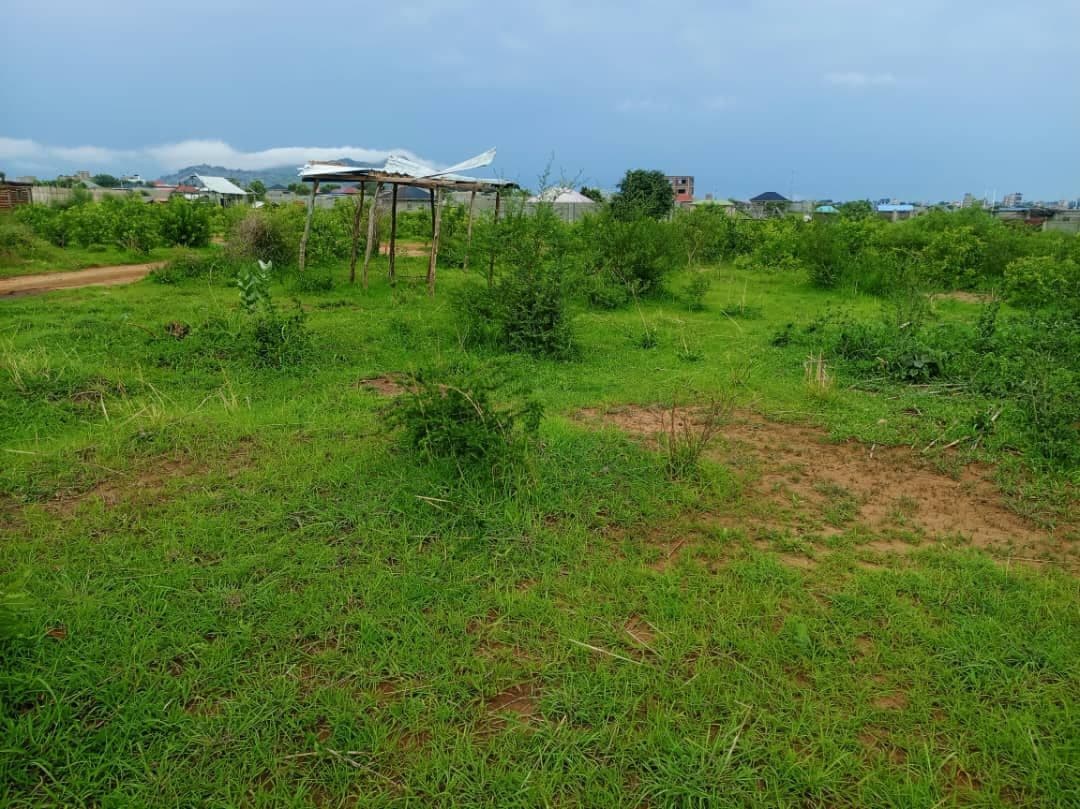
Land ownership lies at the center of South Sudan’s economy, culture, and urban development future. As the nation continues to grow, more citizens, businesses, and diaspora investors are seeking opportunities to purchase land, develop real estate, and secure long-term assets in a rapidly expanding environment. But land in South Sudan operates differently compared to many countries due to its deeply rooted customary systems, evolving legal structures, and complex administrative processes.
Anyone considering buying or developing land property in South Sudan whether residential, commercial, agricultural, or investment-focused must understand how the system works. This comprehensive guide explains the legal frameworks, risks, documentation requirements, and opportunities shaping the property market in South Sudan today.
1. Understanding the Different Types of Land Ownership in South Sudan.
Land in South Sudan falls under three primary categories:
1. Customary Land.
Customary land is the most widespread form of land ownership in the country. It falls under the authority of community leaders, chiefs, or traditional elders. This type of land is typically:
- Used for farming
- Controlled by clans or local communities.
- Not registered in the modern legal system.
- Transferred through traditional agreements.
For many citizens, customary land is the foundation of economic survival. However, it is not ideal for formal real estate development unless converted into leasehold under government authority.
2. Government Land.
Government land includes areas allocated for public use:
- Roads.
- Utilities.
- Public buildings
- Public institutions.
- Surveyed plots.
- State-owned urban land.
Investors looking to develop real estate in cities often seek government-allocated plots because they come with recognized documentation and official approval structures.
3. Private Land.
Private land involves property acquired through legal processes, documented with land titles or leasehold agreements. This type of land is:
- Suitable for developing residential estates.
- Used for businesses and private housing.
- Controlled through clear legal instruments.
- Most attractive to real estate investors.
Understanding these categories is essential for navigating how land ownership works in South Sudan.
2. How Land Ownership Works in Urban Areas.
Urban land especially in cities like Juba, Wau, and Malakal operates under formal land allocation systems managed by state ministries.
Urban Land Is Typically Leasehold.
Most urban properties are not sold outright. Instead, the government leases land for 5 years,30 years and 99 years.The length of the lease depends on the type of development,purpose of use and zoning requirements.For example, commercial plots often receive longer leases than small residential plots.
Urban Plots Must Be Surveyed.
A plot must undergo professional surveying before titles or lease agreements can be issued. Surveying ensures the boundaries are recognized, the land is registered and the government has a record of ownership.Surveying also prevents overlapping claims—a common issue in South Sudan’s developing land property system.
3. Steps for Legally Acquiring Land in South Sudan.
Whether you’re a homebuyer, developer, or investor, following the correct legal steps protects you from future disputes.
Step 1: Identify the Plot.
This might occur through communities, government allocations, private sellers and real estate agents.Ensure the land is clearly marked and free from active disputes.
Step 2: Verify Ownership.
This is the most important part of land acquisition in South Sudan.
Verification includes confirming the land is not claimed by multiple parties, the seller has legal authority,the land is recognized by local authorities and there are no boundary conflicts.
Step 3: Obtain Local Authority Consent.
Even private land often requires approval from chiefs (for customary land), local councils and payam or county administration.These signatures validate the transfer at the community level.
Step 4: Process Documentation with State Ministry.
The Ministry of Housing, Land, and Physical Infrastructure handles land lease applications, plot registration, land transfers and surveying approvals.
Step 5: Sign the Lease Agreement.
Once approved, you sign a formal agreement indicating plot location, lease period, permitted use and payment obligations.
Step 6: Receive Title or Lease Documents.
Final documents legally prove your claim to the land.
Step 7: Begin Development.
After documentation, construction, fencing, or commercial development can begin.
4. Challenges Buyers Face in Land Acquisition.
While opportunities are abundant, buyers must navigate a range of challenges.
1. Misunderstanding Customary Systems.
Customary leaders manage vast land areas, and deals made informally may lack legal enforcement. Without proper documentation, buyers risk losing the land.
2. Overlapping Claims.
Because land surveying is not yet uniform, cases of duplicated plots, unclear boundaries and unauthorized reselling are common, particularly in fast-growing neighborhoods.
3. Lack of Standardized Pricing.
Property prices vary widely due to demand, location, negotiation and perception of land value.This inconsistency makes it difficult to determine fair market value.
4. Incomplete Documentation.
Some plots have missing signatures, outdated approval stamps, incomplete surveying and illegal transfers.Buyers must ensure full compliance with legal requirements.
5. Urban Planning Constraints.
Urban expansion often outpaces planning. Roads, utilities, and zoning are still developing, affecting long-term land use.Understanding these risks helps investors avoid common mistakes in the property market in South Sudan.
5. How to Avoid Land Fraud and Disputes.
Because land disputes are frequent, buyers must exercise caution.
Tip 1: Always Demand Original Documents.
Copies can be forged. Verify that documents contain official stamps, signatures and reference numbers.
Tip 2: Cross-Check with Local Authorities.
Never rely only on the seller. Visit local chiefs, county officials, state land offices to confirm legitimacy.
Tip 3: Verify the Plot Physically and Survey It.
Never buy land you haven’t seen in person. Confirm the exact plot physically.
Tip 4: Use Legal Professionals.
Property lawyers ensure proper transfer and protect you from future claims.
Tip 5: Avoid Rushed Transactions.
Scammers often rush buyers. Take time to verify each detail.
Tip 6: Keep All Receipts and Written Agreements.
Verbal agreements are not legally binding.
These steps significantly reduce risk during land acquisition in South Sudan.
6. Differences Between Urban and Rural Land Ownership.
Urban Land.
- Formally administered.
- Suitable for real estate development.
- Registered through ministries.
- More expensive.
- Comes with leases and titles.
Rural (Customary) Land.
- Controlled by communities.
- Cheaper but less documented.
- Requires conversion for commercial development.
- Riskier without formal registration.
Investors pursuing real estate development often prefer urban land because of documentation advantages.
7. Impact of Land Ownership on Urban Development.
As Juba and other cities expand, land policies shape the way neighborhoods grow.
1. Increased Land Demand.
Rising population and rural migration create pressure on urban housing.
2. Growth of Commercial Zones.
Businesses need office spaces, hotels, warehouses, and market structures—raising land value.
3. Suburban Expansion.
Outskirts like Gudele, Jebel, Munuki, and Gumbo are rapidly growing due to affordable plots.
4. Construction of Apartments.
Developers target high-demand rental markets with multi-story apartments.
5. Infrastructure Development.
Road networks and utilities make previously remote areas attractive for housing.
Land ownership structures deeply influence the direction of urban development in South Sudan.
8. Opportunities for Investors and Developers.
Despite its challenges, South Sudan presents enormous potential:
1. Residential Housing.
The demand for modern homes, apartments, and rental units continues to grow rapidly.
2. Commercial Real Estate.
Offices, retail spaces, and hospitality properties are profitable due to limited supply.
3. Land Banking.
Buying land in emerging areas and holding it for future resale yields high returns.
4. Estate Development.
Developers can plan gated communities and modern estates as cities expand.
5. Agricultural Land.
Vast fertile lands in rural regions offer opportunities for agribusiness.
These opportunities continue driving real estate investment interest in South Sudan.
9. The Role of Diaspora in Land Development.
South Sudanese diaspora communities play a major role by:
- Buying land.
- Building family homes.
- Investing in apartments.
- Funding commercial developments.
Their contributions strengthen the land property market and fuel construction booms in urban centers.
10. Legal Framework Supporting Land Ownership.
The South Sudan Land Act outlines:
- Rights of landowners.
- Responsibilities of communities.
- Government authority roles.
- Dispute resolution processes.
Understanding this framework helps investors avoid conflict and ensures they follow legal standards.
11. Future Direction of Land Ownership in South Sudan.
The land sector is gradually improving in several ways:
1. Stronger Regulations.
New policies aim to reduce disputes and increase transparency.
2. Digital Land Registration.
Future digitization will help verify land records more efficiently.
3. Improved Surveying Systems.
Standard surveying reduces boundary conflicts.
4. Expansion of Urban Planning.
Cities are introducing zoning, road maps, and organized layouts.
5. More Private Sector Involvement.
Private investment will accelerate professional real estate development.
South Sudan’s land market is evolving, making early investment extremely attractive.
12. Conclusion.
Land ownership in South Sudan is complex but full of opportunity. With proper understanding, verification, and legal compliance, buyers and investors can secure land safely and profitably. As the nation continues to rebuild and urbanize, land remains one of the most valuable and strategic assets. Whether you aim to build a home, invest in the property market, or develop commercial real estate, understanding the legal processes and risks is essential.
South Sudan’s real estate future is promising, and those who take the right steps today will benefit most from the country’s growing urban transformation.