
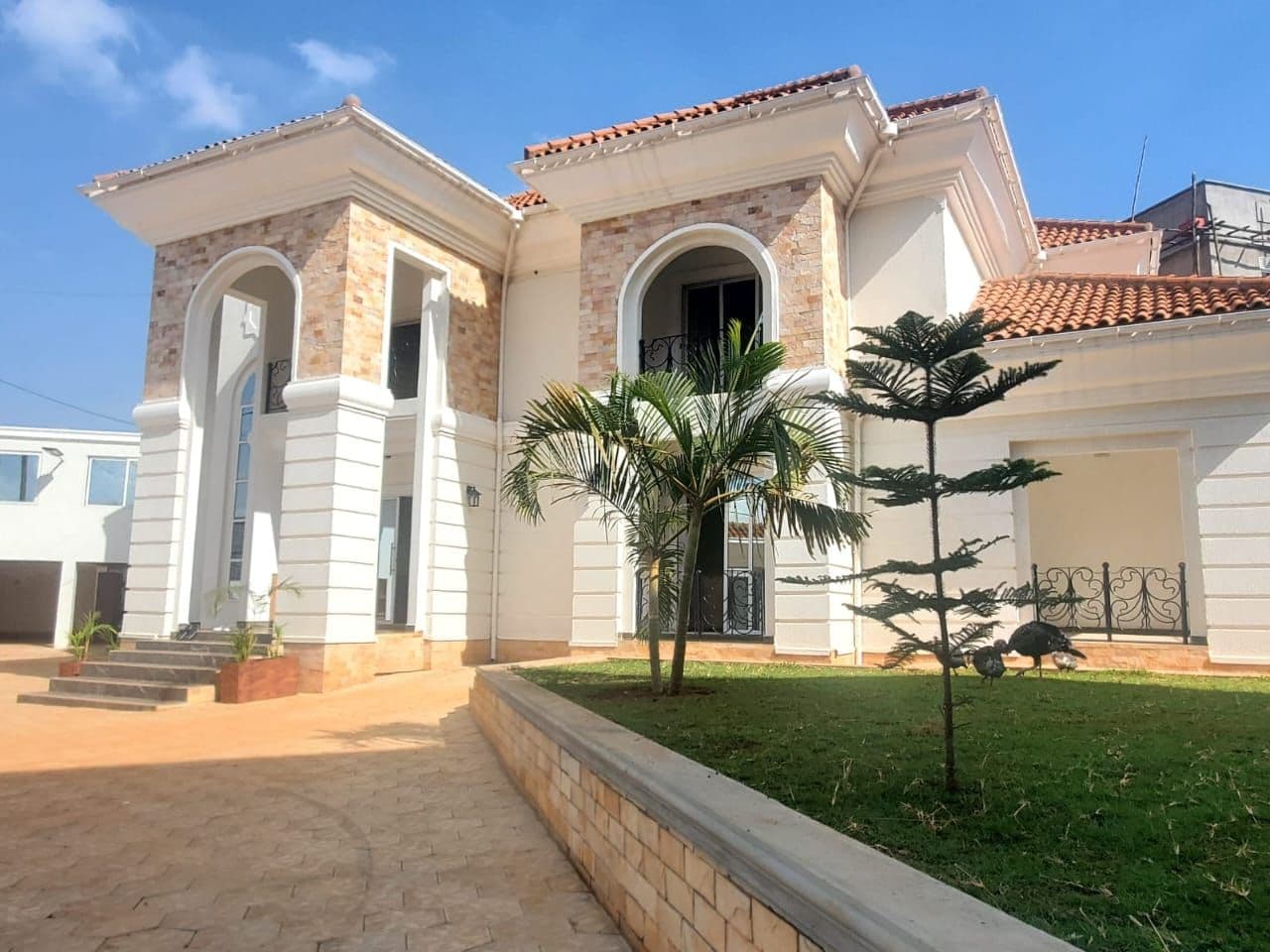
A Practical Guide for Buyers and Investors.
The housing market in South Sudan continues to attract growing interest from local families, returning diaspora, NGOs, and long-term investors. With expanding urban centers, improving infrastructure, and rising demand for secure residential properties, homes for sale in South Sudan offer both lifestyle and investment opportunities.
This guide provides a clear and practical overview of the types of homes available, where to find them, pricing trends, land options and what buyers should consider before purchasing.
Understanding the Housing Market in South Sudan.
South Sudan’s real estate sector is still developing, which creates opportunities for buyers who act early. Most residential homes are located in urban and peri-urban areas, with Juba being the primary market. Other towns such as Bor, Yei, Wau and Rumbek are gradually gaining attention as infrastructure improves.
Homes for sale range from simple family houses to well-finished compounds designed for executives, NGOs and long-term rentals. Demand is highest for secure properties with reliable access to water, electricity, and road networks.
Popular Locations to Buy Homes.
Juba.
Juba remains the most active property market in South Sudan. Neighborhoods such as Gudele, Munuki, Hai Malakal, Kator and Jebel are highly sought after due to their proximity to schools, offices, markets and international organizations. Homes in Juba tend to retain value and attract strong rental demand.
Emerging Towns.
Cities like Bor, Yei and Wau offer more affordable housing options and larger land sizes. These areas appeal to buyers seeking lower entry costs and long-term appreciation. As commercial activity grows, property values in these towns are expected to rise steadily.
Types of Homes for Sale.
Family Houses.
Most homes for sale in South Sudan are 3- or 4-bedroom houses built on private plots. These houses are designed for family living and often include living rooms, dining areas, kitchens and outdoor space.
Executive and NGO Residences.
Larger homes with 5 or more bedrooms, servant quarters, parking yards, and security features are commonly purchased by organizations or individuals seeking premium accommodation.
Houses with Land.
Many buyers prefer properties that come with extra land for future expansion, rental units, gardens or commercial use. These homes offer flexibility and long-term value.
Home Prices in South Sudan.
Property prices vary depending on location, size, finishing, and access to services.
3-Bedroom Houses: USD 45,000 – 80,000.
4-Bedroom Homes: USD 80,000 – 150,000.
Large Compounds / Executive Homes: USD 150,000+.
Homes with Large Plots: Pricing depends on land size and location.
Homes in central Juba typically cost more than those in outskirts or regional towns, but they also offer better resale and rental prospects.
Common Features and Amenities.
Buyers in South Sudan typically look for the following features:
- Spacious bedrooms and living areas.
- Secure perimeter walls and gates.
- Parking space for multiple vehicles.
- Reliable water supply (tanks or boreholes).
- Solar power or generator backup.
- Outdoor kitchens or storage areas.
Modern homes may also include tiled floors, gypsum ceilings, balconies, and landscaped compounds.
Buying a Home with Land.
Purchasing a home with land is popular in South Sudan due to the flexibility it offers. Extra land can be used for:
- Additional housing units.
- Rental rooms.
- Gardens or green space.
- Commercial development.
Land sizes often range between 250 and 500 square meters, though larger plots are available outside city centers.
Legal and Ownership Considerations.
Before purchasing a home, buyers should:
- Verify land ownership and documentation.
- Understand customary and statutory land systems.
- Work with trusted agents or platforms.
- Ensure clear agreements and written contracts.
Engaging professionals reduces the risk of disputes and ensures a smoother transaction process.
Why Invest in South Sudan Homes?
South Sudan’s growing population and urbanization continue to drive housing demand. Homes located near business centers, schools, and NGO offices often generate steady rental income. With limited modern housing supply, quality homes tend to appreciate over time.
For the diaspora and long-term investors, purchasing property now can secure future accommodation and financial stability.
Tips for Buyers.
- Buy in well-connected neighborhoods.
- Prioritize security and utilities.
- Inspect the property in person.
- Plan for long-term maintenance.
- Consider resale and rental potential.
Conclusion.
South Sudan homes for sale offer diverse options for families, professionals and investors. From affordable family houses to executive compounds with land, the market provides opportunities for different budgets and goals.
With proper research, professional guidance, and a clear understanding of the local market, buying a home in South Sudan can be a rewarding and strategic investment.