
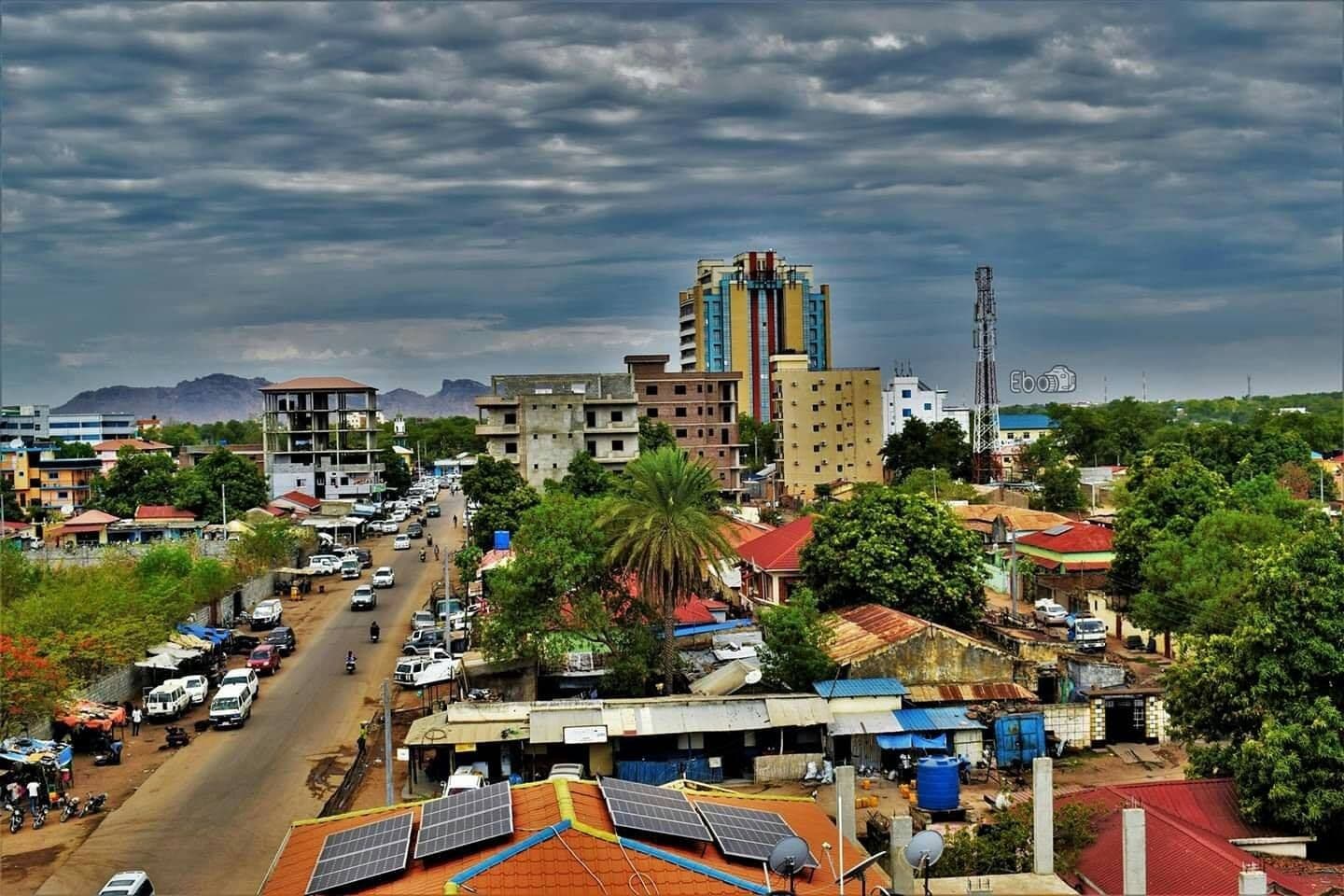
South Sudan is witnessing a steady but transformative shift in its urban housing landscape. As towns expand, populations migrate, and infrastructure begins to improve, the country’s urban development is slowly redefining how people live, work, and invest. Despite challenges, the emerging South Sudan real estate market offers remarkable potential for local and international investors, particularly in major cities such as Juba, Wau, and Malakal.
Understanding these shifts is essential for homebuyers, landowners, real estate developers, and policymakers who aim to navigate a rapidly changing environment full of new opportunities and challenges. This in-depth exploration highlights the historical evolution of housing, current developments, and the future direction of the housing market as cities continue to grow.
1. Historical Overview of Housing in South Sudan.
Before discussing the modern property market, it’s essential to understand how housing has evolved over time. For decades, many communities relied on traditional forms of housing,simple structures built from local materials such as mud, iron sheets, grass, and timber. Rural housing patterns were largely shaped by cultural norms, geography, and community-based land ownership systems.
As towns began to develop, these settlements transitioned into more permanent structures. Yet, due to decades of conflict, urban planning and large-scale construction were significantly delayed. This historical gap contributed to today's high urban housing demand, especially in rapidly growing areas.
The growing shift from traditional to modern homes reveals a strong desire for improved living standards, security, and economic stability. These changing preferences continue to drive today’s housing market trends in South Sudan.
2. Drivers of Urban Development in South Sudan.
Several interconnected factors are contributing to the transformation of the urban housing sector.
- Population Growth and Migration.
Cities like Juba are experiencing rapid population increases due to rural-urban migration. People seeking employment, education, and better opportunities are moving to urban centers. This surge fuels a significant rise in demand for residential and rental properties.
- Economic Activities & Business Expansion.
The expansion of commercial activities has contributed to the rise of modern neighborhoods and commercial buildings. As more companies open offices and industries grow, the need for employee accommodation continues to rise.
- Infrastructure Development.
Improvements in road networks, air travel, markets, and utility systems play a large role in influencing where people choose to live. As infrastructure improves, new neighborhoods previously considered remote now become viable housing zones.
- Foreign Investment and Diaspora Involvement.
South Sudanese living abroad are increasingly investing back home. This includes building residential apartments, purchasing land, or developing rental properties. Their influence continues to strengthen real estate investment opportunities in Juba.
3. Current Housing Trends in Juba, Wau and Malakal.
- Rising Demand for Modern Housing.
Cities are shifting from simple, temporary housing structures to modern concrete homes, apartments, and villas. Homebuyers and tenants now prioritize improved architectural designs, privacy, water systems, electricity access, and security.
- Increase in Rental Properties.
Due to growing migration, rental homes and furnished apartments are in high demand. Neighborhoods in Juba especially command premium prices due to limited supply compared to the growing need.
- Emergence of Gated Communities.
Gated residential areas are becoming popular because they offer better security, parking spaces, and organized property management. This trend is especially common among expatriates and middle-income families.
- Commercial Real Estate Boom.
Businesses require office spaces, commercial shops, warehouses, and hotels. Urban centers are responding with new commercial developments that increase land value and encourage more investment.
- Growing Interest in Mixed-Use Developments.
Developers are increasingly adopting mixed-use designs properties that combine residential, commercial, and leisure spaces in a single area. This trend supports convenience and minimizes long commutes.
4. Affordable Housing: A Major Urban Challenge.
While demand for modern homes is increasing, affordable housing remains a major challenge in most parts of the country.
- High Construction Costs.
The cost of building materials like cement, iron sheets, tiles and steel remains high. Most materials are imported, making construction expenses significantly expensive for ordinary citizens.
- Limited Access to Housing Finance.
Many banks offer limited mortgage facilities. Most home construction is financed through personal savings, which slows development and restricts homeownership.
- Rapid Population Growth Outpacing Supply.
Urban growth is rising faster than housing development. The result is pressure on existing housing units, increasing rents, and informal settlements.
- Urban Planning Constraints.
Some cities lack updated urban planning frameworks. This makes structured development difficult and reduces investor confidence in certain areas.
Despite these challenges, the future remains promising due to ongoing government reforms and rising investor interest.
5. Government Policies Influencing Housing Growth.
The government plays a major role in shaping how cities expand and how the real estate market evolves.
- National Urban Development Initiatives.
Efforts are being made to improve infrastructure, utilities and urban planning systems. Better planning means more predictable and organized real estate expansion.
- Land Policy Reforms.
Authorities are reviewing systems to simplify processes related to land registration, allocation and documentation. This will strengthen the confidence of investors and homeowners.
- Public-Private Partnerships.
Collaborations with private developers aim to introduce large-scale housing programs, especially in urban areas where the shortage is most severe.
These efforts contribute to creating a favorable environment for both local and foreign investors.
6. Investment Opportunities in the Growing Real Estate Market.
The South Sudan real estate sector offers tremendous opportunities across different categories:
- Residential Development.
The rising demand for rental homes, apartments and family houses makes residential construction one of the most profitable ventures in South Sudan’s cities.
- Commercial Property Investment.
Businesses are expanding, increasing the need for office spaces, shopping centers, and warehouses—offering stable rental income to investors.
- Land Banking.
Due to rapid urbanization, purchasing land in developing areas is a strategic investment. As cities expand, land values in these areas significantly increase over time.
- Hospitality and Accommodation.
Hotels, lodges, and furnished apartments are in high demand due to growing tourism, business travel, and NGO presence.
- Diaspora-Backed Development Projects.
Because the diaspora often invests in large construction projects, opportunities exist in design, contracting and real estate advisory services.
These sectors continue to make Juba and other major cities attractive for investment as urbanization accelerates.
7. How Urban Development Influences Real Estate Prices.
Urban development projects directly impact property values. Improved roads, expanded water supply, and reliable electricity make neighborhoods more attractive and consequently more expensive.
- Infrastructure = Higher Property Value.
Areas close to new roads, markets, and services see quick appreciation in land and rental prices.
- Security and Accessibility.
Safe areas with easy access to transportation, jobs, and schools tend to experience faster real estate growth.
- Economic Growth.
When cities attract new businesses and industries, the demand for nearby housing increases, pushing property prices upward.
This explains why real estate investment opportunities in Juba continue to grow each year.
8. The Future of Urban Housing in South Sudan.
The next decade will shape the future of urban housing in major ways:
- Smart City Possibilities.
Although still young, South Sudan has the potential to develop modern smart neighborhoods as technology and infrastructure evolve.
- Affordable Housing Programs.
More emphasis on government-backed housing projects is expected, making homes more accessible to low-income families.
- Shift Toward Sustainable Construction.
Eco-friendly designs, solar energy, and local building materials may become key elements of future housing solutions.
- Rise of Real Estate Agencies & Professionals.
Urban development is creating demand for surveyors, property managers, real estate agents, construction firms, and valuation experts.
- Stronger Legal Frameworks.
Better land laws and property regulations will increase investor confidence and stimulate more development nationwide.
South Sudan’s urban housing future is full of potential—driven by population growth, improved planning, and increased investor participation.
9. Conclusion.
Urban housing in South Sudan is evolving rapidly, powered by population growth, economic activity and major changes in city infrastructure. While challenges such as high construction costs, limited housing finance, and planning issues persist, the country’s expanding urban development presents significant opportunities for investors, homeowners and the diaspora.
Cities like Juba, Wau,Bor and Malakal continue to attract new residents, pushing the demand for modern homes, rentals, commercial buildings and land. With ongoing reforms and improving economic prospects, the future of the South Sudan real estate market looks bright and full of potential.
As the nation rebuilds and develops, investing in residential properties, land and commercial real estate now could yield major benefits in the coming years. Urban transformation is underway, and those who position themselves early will benefit the most from this rising market.