
Tourism is gradually emerging as one of the most influential drivers of economic transformation in South Sudan. While the country is still at an early stage of developing its tourism sector, the natural foundations already in place are exceptional. Vast savannahs, rich biodiversity, powerful rivers and unique wildlife movements are positioning South Sudan as a future eco-tourism destination in Africa. As tourism begins to gain momentum, its impact is increasingly being felt beyond hospitality and conservation, extending deeply into the growth and structure of South Sudan’s real estate market.
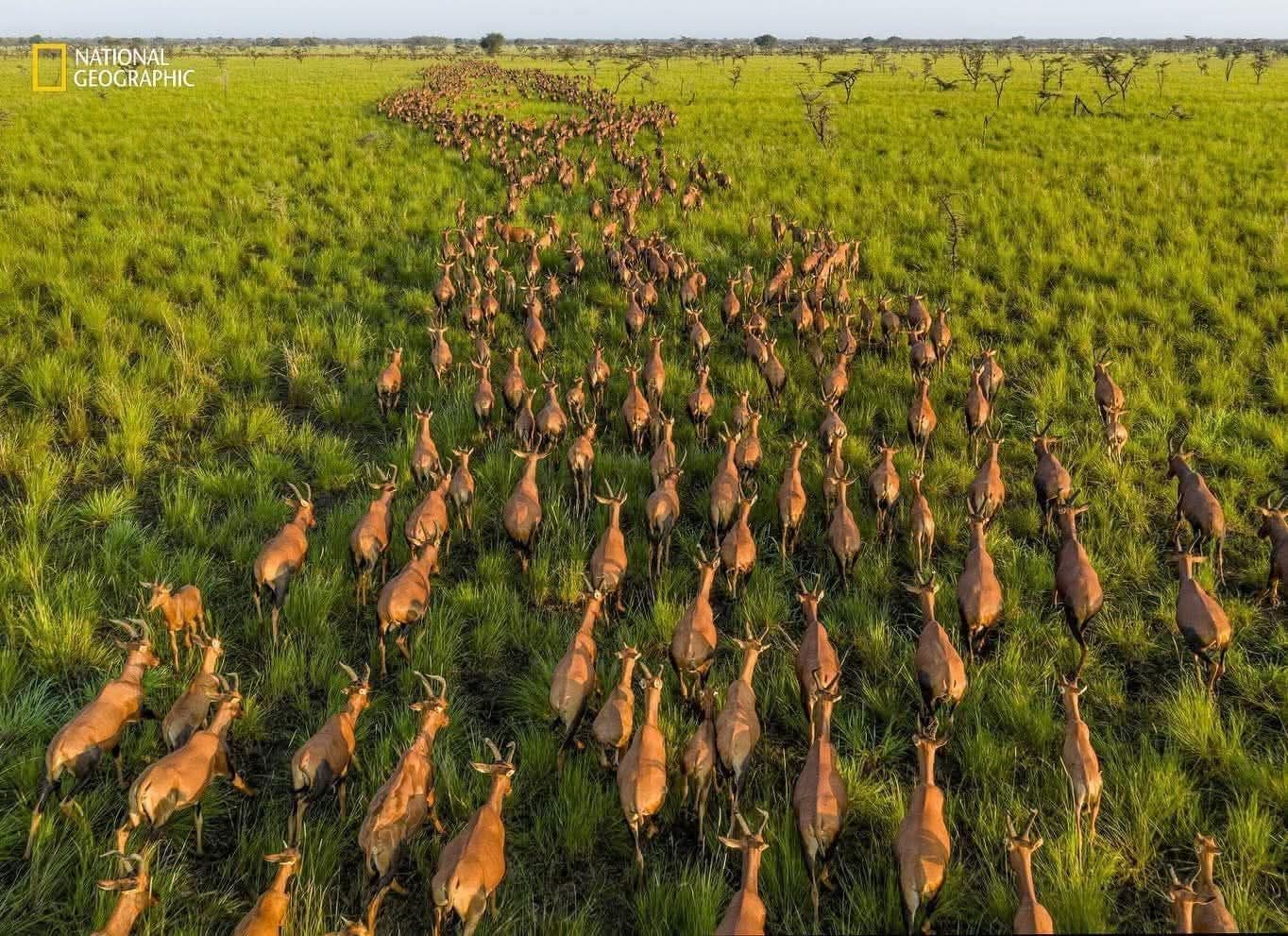
At the center of this transformation is the growing global awareness of South Sudan’s wildlife assets, particularly the annual movement of the Tiang antelope across Boma and Bandingilo National Parks. This phenomenon, regarded as the largest land mammal migration in the world, is drawing attention from conservationists, filmmakers, researchers and adventurous travelers. With attention comes demand, and with demand comes the need for physical infrastructure. This is where tourism and real estate intersect in a powerful and long lasting way.
As tourism activity increases, the immediate need is for accommodation, transport facilities and operational spaces. Visitors, tour operators, conservation agencies and support staff all require places to stay, work and conduct business. This naturally drives demand for hospitality real estate such as lodges, eco-resorts, serviced apartments and short-term rental properties. Over time, this demand extends to residential housing for employees, commercial properties for suppliers and mixed-use developments in nearby towns. Tourism therefore becomes a direct catalyst for real estate development rather than a separate economic activity.
The areas surrounding Boma and Bandingilo National Parks illustrate this relationship clearly. These regions, once viewed mainly through the lens of conservation, are increasingly being recognized as strategic investment zones. As access roads improve and security stabilizes, land in these areas gains value, especially plots suitable for tourism related development. Investors seeking land for sale in South Sudan are beginning to consider proximity to national parks and wildlife corridors as a key factor, much like beachfront or city-center locations in more mature markets.
Eco-tourism is playing a particularly important role in shaping the type of real estate development emerging in South Sudan. Unlike high-density urban construction, eco-tourism promotes low-impact, environmentally conscious building that blends with the natural landscape. This has encouraged the development of sustainable real estate projects that use local materials, renewable energy and designs that respect wildlife movement. Such projects not only preserve the environment but also enhance long-term land value by aligning with global sustainability standards, making South Sudan real estate more attractive to international investors.
Tourism growth is also contributing to community development, which further strengthens the real estate market. As tourism activities expand, local communities benefit through employment opportunities, improved infrastructure and increased economic activity. Roads, water systems and communication networks developed to support tourism often serve surrounding residential areas as well. As living standards improve, demand rises for better housing, rental units, retail spaces and social amenities. This gradual improvement in quality of life directly influences property values and accelerates real estate growth in previously underdeveloped regions.
Another significant impact of tourism on South Sudan real estate is the expansion of urban influence beyond traditional city centers. Tourism corridors connecting Juba to surrounding regions, including Bandingilo National Park and eastern routes toward Boma, are becoming zones of interest for developers. Towns along these routes are evolving into service hubs, attracting hotels, fuel stations, warehouses and residential estates. Over time, these locations may develop into secondary urban centers, reducing pressure on major cities while creating new real estate markets with strong growth potential.
Tourism has also begun to improve investor confidence in South Sudan. As the country’s tourism story gains international exposure, it helps reshape perceptions and attract foreign direct investment. Diaspora investors, in particular, are increasingly viewing tourism-linked real estate as a viable and meaningful way to contribute to national development while securing long-term returns. This renewed confidence encourages better construction standards, professional property management and more structured land transactions, all of which contribute to a healthier real estate ecosystem.
Despite these positive trends, challenges remain. Limited infrastructure, land tenure complexities and regulatory gaps still affect both tourism and real estate development. However, these challenges also create opportunity. Being an early-stage market means investors and developers have the chance to shape growth responsibly, secure prime locations and benefit from long-term appreciation as the sector matures. With the right policies, partnerships and planning, tourism-led real estate development can become one of South Sudan’s most sustainable economic pillars.
In conclusion, tourism growth is steadily redefining the future of South Sudan real estate. From wildlife-driven travel and eco-tourism to infrastructure expansion and community development, tourism is influencing where and how property is developed across the country. As South Sudan continues to open itself to the world, tourism will not only enhance national visibility but will also serve as a powerful engine for real estate growth, investment and long-term economic resilience.